


Our Four Regenerative Farming Principles

Updated: Mar 6
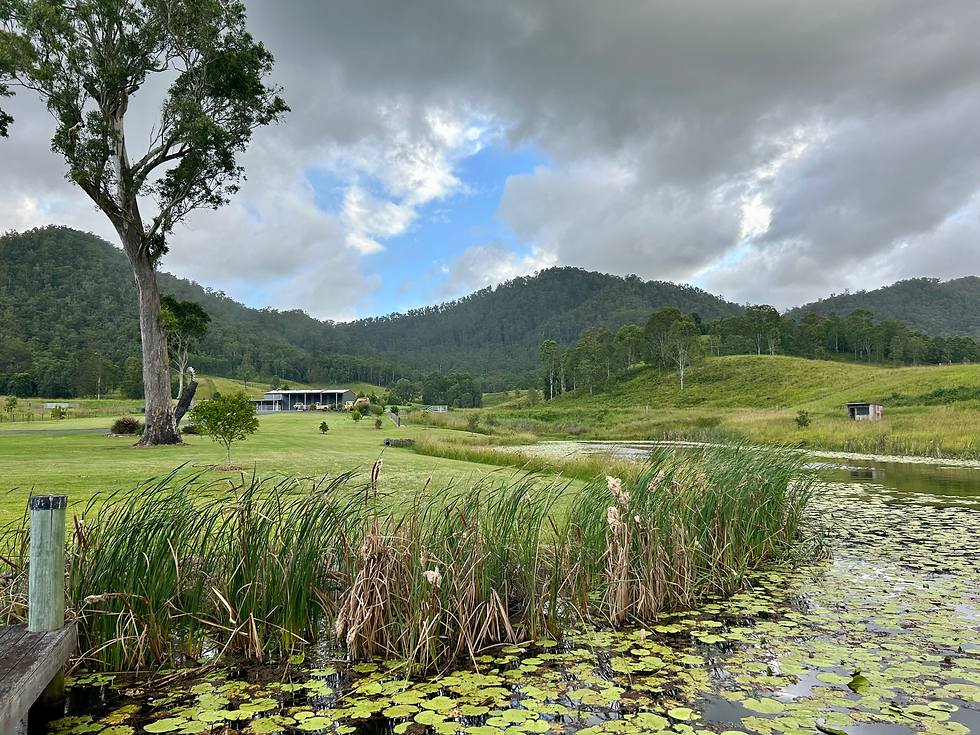
When we first arrived at Seven Hills Estate in Conondale, we stepped onto a landscape that told a familiar story. Long-grazed paddocks. Compacted soils. Tired pastures. Yet it was also a place full of promise. Rolling hills. Forest edges. Natural springs. Space to listen and learn.
From the beginning, our goal was not simply to run a farm. It was to restore a living system. That intention sits at the heart of regenerative farming.
Regenerative agriculture is often spoken about, but rarely defined in one neat sentence. At its core, it is about improving the health and function of the whole ecosystem over time. Soil. Water. Plants. Animals. People. Rather than trying to control nature, regeneration asks us to work with it.
At Seven Hills Estate, regeneration is a continual process. There is no finish line. Each season teaches us something new about this land and how it responds when given the chance to recover.
Why regeneration matters here
Seven Hills Estate spans 420 acres in the Sunshine Coast Hinterland. Around 170 acres are open grassland. The remainder is steep, forested country, including two pockets of sub-tropical rainforest. This mix of ecosystems creates both challenges and opportunities.
Like many Australian farms, the land carried the legacy of historical management. Reduced ground cover. Limited water retention. Declining soil biology. Regenerative farming offered us a way forward that aligned with the landscape rather than fighting it.
Globally, soil degradation is now recognised as a major issue. In Australia, drought, erosion, and chemical dependency have only reinforced the need for more resilient systems. Regeneration is not about nostalgia or trend-following. It is a practical response to real ecological limits.
Our four guiding principles
Over time, our approach has settled around four core principles. These are not rigid rules. They are lenses we use when making decisions on the farm.
Promoting soil health Healthy soil is alive. When biology below the ground thrives, everything above ground follows. Our focus is on feeding the soil first, so less effort is required afterwards.
Fostering biodiversity Diversity builds resilience. From microbes to birds, life in all its forms creates balance and stability across the farm.
Managing water effectively Water is the quiet driver of productivity. Our aim is simple. Slow it down. Spread it out. Keep it in the landscape for as long as possible.
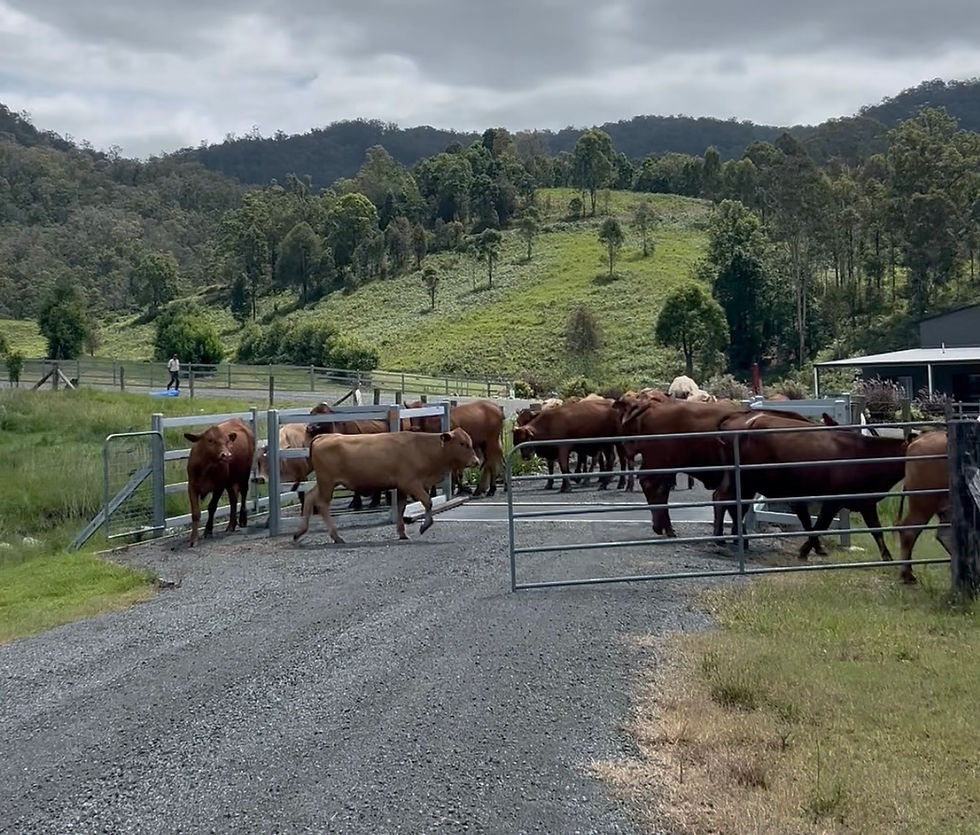
Integrating farm animals Animals are partners, not problems. When managed well, they cycle nutrients, stimulate plant growth, and strengthen soil structure.
Each of these principles deserves its own deeper conversation. Over the coming weeks, we will explore how they look in practice at Seven Hills Estate.

Farming and eco-tourism, together
Our regenerative journey runs alongside the development of our eco-farmstay. Guests are not just visiting a place to sleep. They are stepping into a working landscape that is actively being restored.
The long-term vision is to share this story honestly. Not as a perfect system. But as a living experiment shaped by observation, adaptation, and care.
Want to go deeper?
This post only scratches the surface. If you would like the full story, you can download our detailed white paper below. It documents our land, our thinking, and the practical decisions behind everything we are doing.
Stay tuned. Over the next few posts, we will unpack each of the four principles in detail and share what is working, what is challenging, and what we are learning along the way.
What does regenerative farming mean to you?
Have you seen examples of it done well where you live?


Comments